
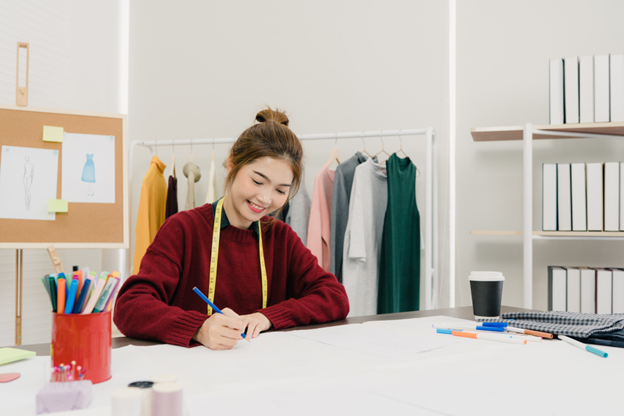
Everyday clothing is where fashion truly meets real life. While runway pieces grab attention, most people live in outfits they can wear to college, work, travel, or casual outings. For students, understanding fashion design for everyday wear is critical because this is where the industry sees consistent demand. Designing something dramatic is easy. Designing something practical that still feels personal is the real challenge.
Everyday wear is not about playing safe. It is about making thoughtful choices that balance comfort, function, and individual style.
Why Everyday Wear Matters More Than You Think
Modern consumers want clothing that fits into their routine. They look for pieces that feel comfortable for long hours, adapt to different settings, and still express personality. For students, this means learning how to design garments that people will actually buy and wear repeatedly. Recruiters and brands value designers who understand usability as much as aesthetics.
At NIF Global ,students are encouraged to observe how people dress daily and translate those habits into well-designed, wearable collections. This approach builds industry-ready thinking early on.
Understanding the User Before Designing
Everyday fashion starts with the wearer. Ask simple but important questions. Where will this garment be worn? How long will someone stay in it? Does it allow easy movement? Does it work in different weather conditions? When students answer these questions honestly, their designs become more relevant.
Practical fashion does not mean boring fashion. It means intentional fashion that respects real needs.
Fabric Choices That Support Daily Wear
Fabric plays a major role in everyday clothing. Materials need to be breathable, durable, and easy to maintain. Cotton blends, lightweight twills, soft denims, knits, and sustainable fabrics work well for daily use. Students should focus on how a fabric behaves over time, not just how it looks on day one.
At NIF Global, fabric selection is treated as a design decision, not an afterthought. Students learn to match material performance with lifestyle requirements, which strengthens their collections.
Silhouettes That Balance Comfort and Style
Everyday wear benefits from clean silhouettes. Relaxed fits, adjustable elements, and smart tailoring help garments adapt to different body types and activities. Oversized shirts, straight cut trousers, layered dresses, and versatile jackets are strong foundations for daily wardrobes.
Instead of chasing trends blindly, students should refine silhouettes that feel timeless but fresh. This balance helps designs remain relevant beyond one season.
Adding Personality Without Overdesigning
Personality in everyday fashion comes from subtle details rather than loud statements. A unique seam line, an unexpected texture, a thoughtful color choice, or a functional pocket can define a garment’s character. Overdesigning often reduces wearability.
Students can express identity through:
- Thoughtful color palettes that reflect mood without overpowering the garment
- Functional detailing such as adjustable elements or smart closures
- Surface interest using texture, stitching, or minimal prints
These elements help everyday pieces feel special while remaining practical.
Designing for Repeated Use
One of the best tests of everyday fashion is repeat wear. If a garment looks good but feels uncomfortable after a few hours, it fails its purpose. Students should aim to design pieces that improve with use, not deteriorate. Easy care, durability, and comfort should guide decisions.
This mindset is central to fashion design for everyday wear and is actively reinforced in studio projects at NIF Global.
Why Everyday Wear Strengthens Your Portfolio
Portfolios that include practical clothing often feel more mature. They show that the designer understands real users and real markets. Everyday wear projects demonstrate problem solving, material knowledge, and thoughtful construction, all of which matter to employers.
Closing Thought
Everyday fashion shapes how people feel most of the time. When you design practical pieces with personality, you design for confidence, comfort, and expression. By approaching fashion design for everyday wear with intention and honesty, you create clothing that connects with real lives and prepares you for the realities of the fashion industry.
Leave a Reply