
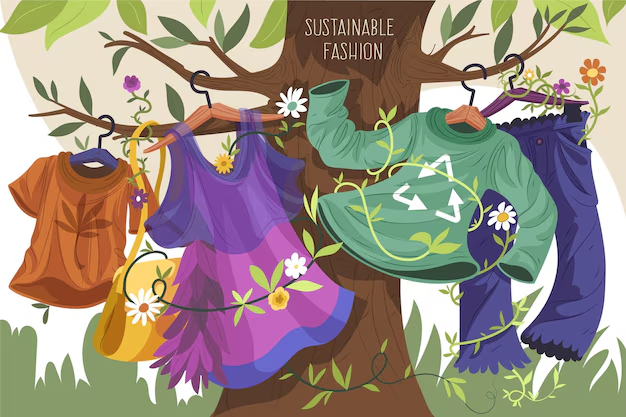
Sustainable fashion design in Jaipur is no longer a side trend. For fashion design students, it is becoming the standard of how they plan collections, choose materials, and build portfolios. Brands are under pressure to justify their environmental impact. Students who understand responsible design stand out because they show clarity, intention, and awareness of real industry needs.
Why Sustainability Matters for Fashion Students
If you want a serious career in fashion, you can’t ignore sustainability. Recruiters look for designers who understand:
- Materials and their environmental cost
- Low-waste construction
- Long-term usability
- Cultural relevance
If your portfolio reflects this, you immediately come across as more prepared and future-ready than most students.
Why Jaipur Is the Perfect Base for Sustainable Fashion
Jaipur gives you advantages many cities don’t. You have direct access to:
Natural dyes
Indigo, madder, and pomegranate peels offer cleaner alternatives to synthetic dyes. These methods are already embedded in Jaipur’s culture, so students can learn them without running behind expensive workshops.
Craft Clusters
Block printing, tie-dye, handloom weaving, applique, and embroidery are low-energy craft practices. Working with these artisans gives your work authenticity instead of superficial “eco-friendly” labels.
A Market Open to Conscious Fashion
Jaipur attracts consumers who value handcrafted, purposeful textiles. It is a realistic place to test sustainable design ideas instead of working only on classroom concepts.
What Students Are Doing Right
NIF Global students have started using sustainability as a design framework, not decoration. The smart decisions include:
Stronger Material Choices
Selecting fabrics based on:
- Impact on water and energy
- Locally available weaves
- Recycled and deadstock textiles
Your fabric choice says more about your design intelligence than any mood board can.
Low-Waste Construction
Students are exploring:
- Zero-waste patterns
- Modular garments
- Adjustable fits to extend garment life
This thinking shows you understand both sustainability and function.
Modern Silhouettes with Cultural Techniques
The strongest student work pairs Jaipur’s craft traditions with contemporary cuts. It avoids clichés and creates collections that feel relevant.
Practical Steps You Can Take This Month
You don’t need new equipment or big budgets. Start with small, real choices.
1. Do a Material Audit
Work with what you already have. Leftover fabric, muslin swatches, and scrap pieces can be turned into prototypes or detailing.
2. Create One Upcycled Garment
Set a target of using at least 30 percent upcycled material in one piece. It strengthens both your skills and your portfolio.
3. Document the Impact of One Project
Track fabric used, waste generated, and dye processes. This is the kind of detail interviewers notice.
4. Visit an Artisan Cluster
Watching natural dyeing or block printing in person teaches more than any classroom lecture.
5. Design for Longevity
Every piece should answer a simple question: will someone wear this at least ten times? If the answer is no, refine the design.
The Point Is Simple
Sustainable fashion design in Jaipur is not about moral branding. It is about making informed, intelligent design decisions. When your work reflects purpose, material awareness, and cultural understanding, you stop looking like a student completing assignments. You look like a designer who is ready for the industry.
Leave a Reply