
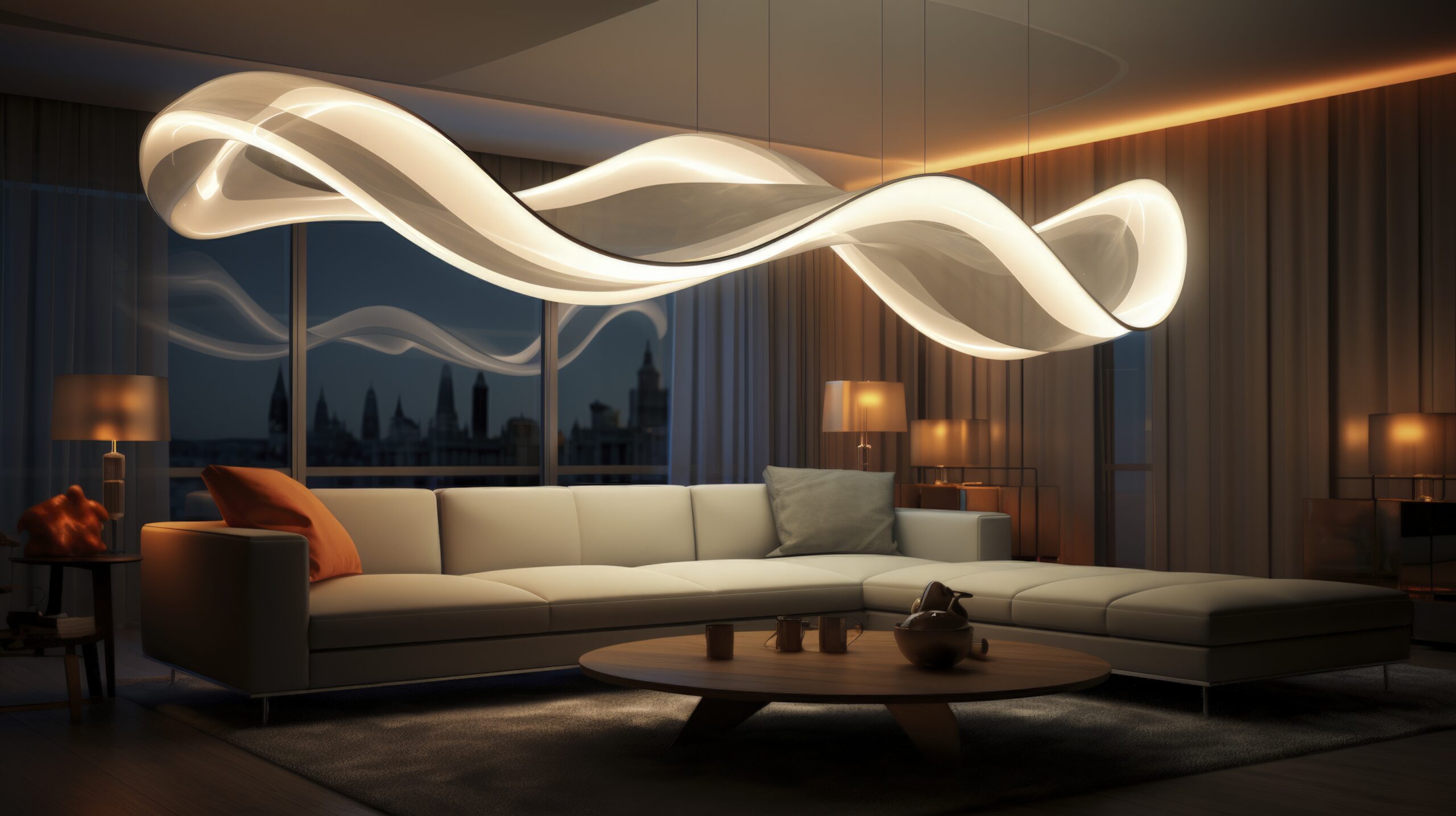
Light shapes the way we experience any space. It can make a room feel warm, calm, energetic, or spacious. For students exploring interior lighting design, understanding how different types of light influence mood is essential. Lighting is not just about visibility. It is a design tool that guides emotion, highlights form, and brings harmony to interiors.
Today, homeowners and designers pay close attention to lighting because it affects comfort and well-being. When you understand how to use it, you gain the ability to transform a simple room into an environment that supports daily life.
Why Lighting Matters in Design
Good lighting does more than brighten a space. It shapes how we perceive colors, textures, and proportions. It can make a room feel larger or more intimate. It can energies a workspace or soften a bedroom. As a design student, learning how light interacts with surfaces and materials sharpens your ability to create functional and emotionally balanced interiors.
Poor lighting can flatten a space and drain its character. Thoughtful lighting brings layers, clarity, and visual comfort.
The Three Layers of Lighting
Interior lighting works best when it is layered. Each layer has its own purpose and contributes to the final mood of the room.
- Ambient lighting sets the overall tone. It fills the room with soft, even brightness. Ceiling lights, wall lights, and diffused fixtures help users navigate the space comfortably.
- Task lighting is focused and functional. It supports activities like reading, cooking, studying, or working. It ensures that specific areas are bright enough for concentration without straining the eyes.
- Accent lighting adds depth and interest. It highlights artwork, textures, plants, or architectural details. Even a simple spotlight or LED strip can change how a room feels.
When these three types of light work together, the space becomes more engaging and visually balanced.
Choosing Warm or Cool Light
Color temperature plays a significant role in mood. Warm light creates a relaxed and inviting feel, making it ideal for living rooms and bedrooms. Cool light feels brighter and sharper, which works well for kitchens, offices, and study corners. Students should experiment with both to understand how each one changes a room’s character.
Soft yellow tones make a room feel cozy. Cooler white tones add alertness and clarity. The right choice depends on the room’s purpose and the atmosphere you want to build.
Using Lighting to Shape Space
Light can highlight or soften areas, draw attention to details, or change the sense of height and width in a room. Directional lighting can emphasize textures like brick, wood, or fabric. Indirect lighting can make a low ceiling feel higher. Placing lights at different levels, such as floor lamps, table lamps, and sconces, creates depth and movement.
This makes interior lighting design a powerful tool for students who want to create spaces that feel thoughtful and expressive.
NIF’s Approach to Teaching Lighting
NIF Global guides students to explore lighting through practical exercises and studio-based learning. They study how placement, intensity, and color temperature change the feeling of a room. Students also learn how to combine functional lighting with aesthetic choices so their concepts translate well into real homes. This approach helps them build strong portfolios and prepares them for industry expectations.
Designing for Modern Indian Homes
Indian homes vary in size, layout, and natural light. Students need to consider these differences. Compact apartments benefit from reflective surfaces and layered lighting that opens up the room. Larger homes allow for bolder fixtures and creative accents. Understanding these contexts helps students design lighting that feels both beautiful and efficient.
Closing Thoughts
Light is one of the simplest ways to reshape a room without changing its furniture or layout. Study how it affects mood, comfort, and perception. When you apply interior lighting design thoughtfully, your work becomes more intuitive and emotionally engaging, helping you create interiors that feel both functional and welcoming.
Leave a Reply